
A timed day before dawn
Logs, wick trimming, lens cleaning, and weather notes were repeated with near-clock precision. The work appears modest on paper, yet each task protected the reliability of the beam for ships offshore.
About the project
Northern Coast Lighthouses was created to gather scattered photographs, keeper recollections, and station notes into one readable archive. We treat each beacon site as part of a wider coastal story, where navigation technology, local labor, and weathered landscapes shaped daily life over generations.
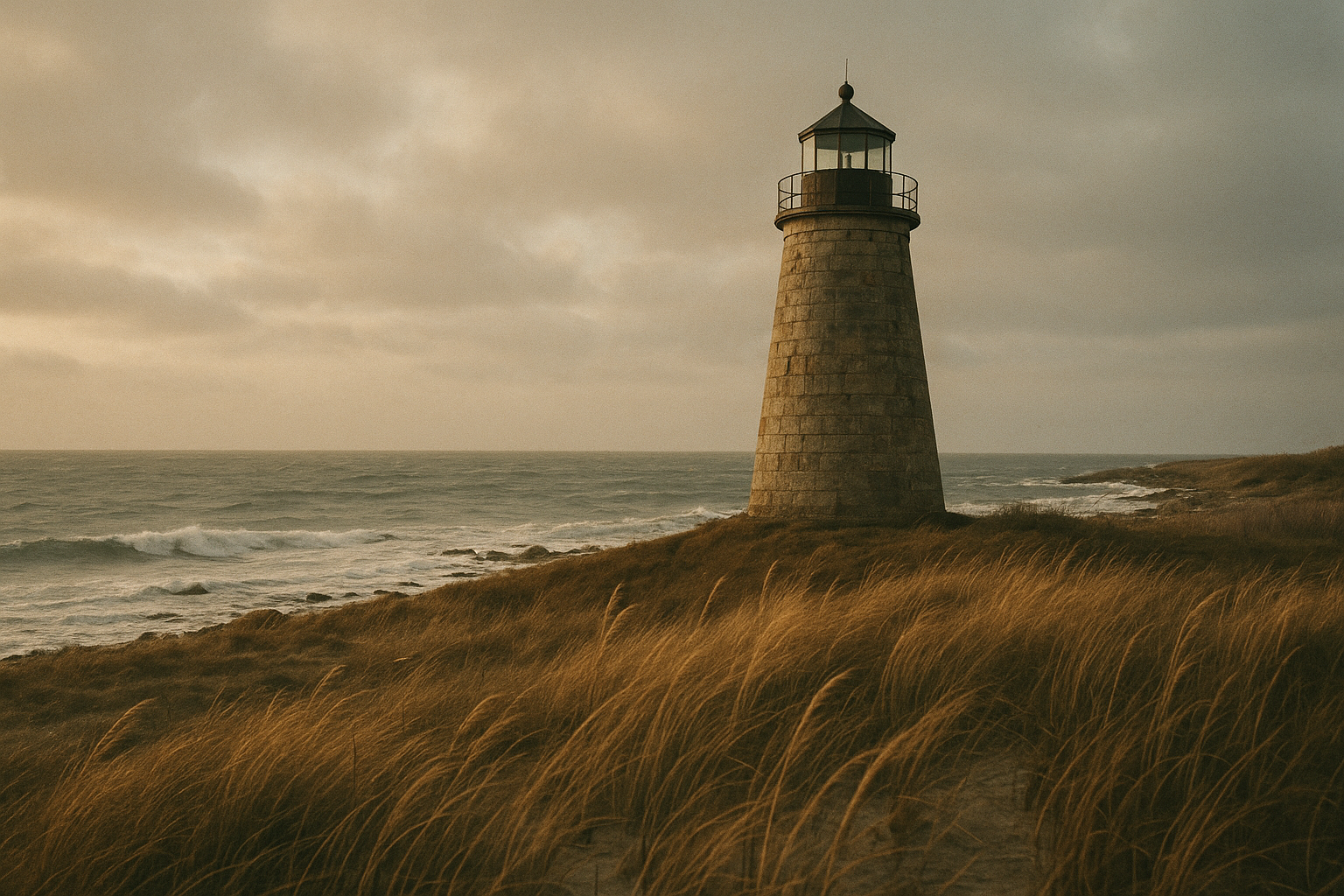
Our scope centers on the northern coastline's preserved and documented towers, with context drawn from local records and oral history where available. The aim is not nostalgia alone, but careful interpretation that keeps maritime history approachable for students, researchers, and curious visitors alike.
Keeper Life
The towers were staffed by people balancing practical duty with long stretches of uncertainty. These notes follow the rhythm of ordinary days, difficult weather, and the private spaces between signals.
Logs, wick trimming, lens cleaning, and weather notes were repeated with near-clock precision. The work appears modest on paper, yet each task protected the reliability of the beam for ships offshore.
Salt fog entered hinges, ropes stiffened, and simple repairs could consume an afternoon. Keepers documented wind direction and sea state not as scenery, but as operational facts tied to safety.
“When the lamp held steady through fog, the whole coast felt less alone.”
Signal systems demanded close attention to interval and intensity. A missed timing pattern could mislead vessels at critical approaches, so night watches often stretched long beyond written shifts.
Some stations held families in tight quarters; others left one keeper with sparse company for months. Letters, shared meals, and visiting supply boats became essential social anchors in remote stretches.